What is Aso Oke? Aso Oke is a hand-woven Nigerian textile produced by the Yoruba people of southwestern Nigeria, traditionally made on narrow strip looms and reserved for life’s most important occasions — weddings, chieftaincy ceremonies, and cultural celebrations. The name comes from the Yoruba words for “cloth” and “top” or “highland,” and for centuries it has carried a meaning that goes far beyond fabric: it is a marker of heritage, status, and pride. At African Women’s Clothing in Lagos Ahdookeh Fashion — this fabric is one of the most requested across our bubu gown collection, and in this guide we walk through everything you need to know: where it comes from, how it’s made, how to tell a genuine piece from a poor imitation, and where to find authentic Aso Oke in Lagos.
What is Aso Oke fabric?
This is a hand-woven cloth, traditionally made from cotton or silk threads on a narrow single-heddle loom by Yoruba weavers in southwestern Nigeria. Strips of fabric, usually around four inches wide, are woven individually and then stitched together to create a larger finished cloth. This is what gives it its distinctive texture; visible seams where strips meet, and a slightly raised, woven surface that machine-made fabrics cannot replicate.
The literal translation is “top cloth” or “cloth from the highland,” and the name reflects its long-standing status as Nigeria’s most prestigious traditional textile. It is not simply a fabric choice. For many Yoruba families, wearing it at a wedding or naming ceremony is an act of cultural participation as much as a style decision.
The history of Aso Oke weaving
This weaving tradition traces back several centuries among the Yoruba people, with the towns of Iseyin, Oyo, and Ede historically recognised as the most important centres of production. According to the Victoria and Albert Museum, which holds pieces of this fabric in its permanent textile collection, it is traditionally produced by Yoruba men using a single-heddle loom to weave long strips that are then cut and stitched together to form the finished cloth.
Google Arts & Culture, in partnership with Pan-Atlantic University, documents that cloth weaving is believed to have been introduced into Yorubaland as early as the 15th century, spreading from town to town until it became one of the defining textile traditions of the region. Over generations, this prestigious cloth moved from royal courts and ceremonial dress into the everyday celebration wardrobe of Nigerian women, without ever losing the status that originally defined it.
How is Aso Oke made?
The cloth is produced through a labour-intensive, multi-stage process that has changed remarkably little over the centuries:
- Thread preparation — cotton or silk fibres are hand-spun and dyed, traditionally using natural dyes for the deep indigo, red, and earth tones the fabric is known for
- Strip weaving — narrow strips, roughly four inches wide, are woven on a traditional loom one at a time
- Pattern work — coloured threads are arranged strategically during weaving to create the geometric and symbolic patterns the cloth is known for
- Joining — the finished strips are cut to length and hand-stitched together into a single, larger panel
This is why an authentic piece always carries some visible texture and seam structure — it is, quite literally, built from many smaller pieces of cloth rather than woven as one continuous sheet, the way Ankara or plain cotton is.
Aso Oke vs Ankara vs Adire — what's the difference?
A common point of confusion is how this fabric compares to Nigeria’s other well-known textiles. Here is the simplest way to tell them apart:
- Aso Oke — hand-woven on a narrow loom in individual strips, then stitched together. Textured surface, traditionally reserved for major ceremonies.
- Ankara — machine-printed wax cotton, sold by the yard in bold, colourful patterns. Smooth surface, suitable for everyday and celebration wear alike.
- Adire — hand-dyed using a resist-dye technique, usually indigo, on a single piece of cotton. No woven strips, no seams — the pattern comes from dyeing, not weaving.
Each of these fabrics has its own place in our collection, and our African dress styles guide goes deeper into how these three traditional textiles are used across different occasions.
How to identify quality Aso Oke
Not every fabric sold under this name is created equally, and knowing what to look for protects you from paying a premium price for a low-quality piece:
- Check for woven strips, not print. A genuine piece has visible seam lines where individual strips were joined. A flat, seamless print is not the real thing.
- Feel the weight and texture. Authentic fabric has a raised, slightly coarse hand-feel from the weaving process — it should never feel as smooth and flat as printed cotton.
- Look at the finishing. Quality construction means the seams joining the strips are secure and even, not loose or fraying.
- Ask about the source. Brands that take fabric sourcing seriously, like Ahdookeh Fashion’s founder Morenikeji Agoro, who personally oversees fabric sourcing for every collection, are far more likely to be using authentic, well-woven cloth.
For more on judging fabric quality across an entire garment, our bubu gown styles guide and two piece styles for ladies pillar guide both cover construction quality in detail.
When is Aso Oke worn in Nigeria?
This fabric is traditionally reserved for occasions that carry real cultural and social weight, rather than everyday dressing:
- Traditional weddings — it is the most prestigious fabric choice for traditional engagement ceremonies. See our bubu gown styles for wedding guide for pieces made from it.
- Owambe celebrations — at Nigeria’s biggest social events, wearing it signals cultural fluency and respect for the occasion. Our owambe two piece styles for ladies guide covers this in depth.
- Chieftaincy and traditional title ceremonies — among the most formal settings where it is considered the only appropriate choice.
- Professional and cultural-industry settings — a growing number of Nigerian professional women now wear pieces made from it in the boardroom as a deliberate statement of cultural pride. Our professional two piece styles for ladies guide explores this further.
- Everyday occasion dressing — for more general guidance on when different fabrics suit different events, see what to wear to every occasion in Lagos.
Where to buy Aso Oke in Lagos
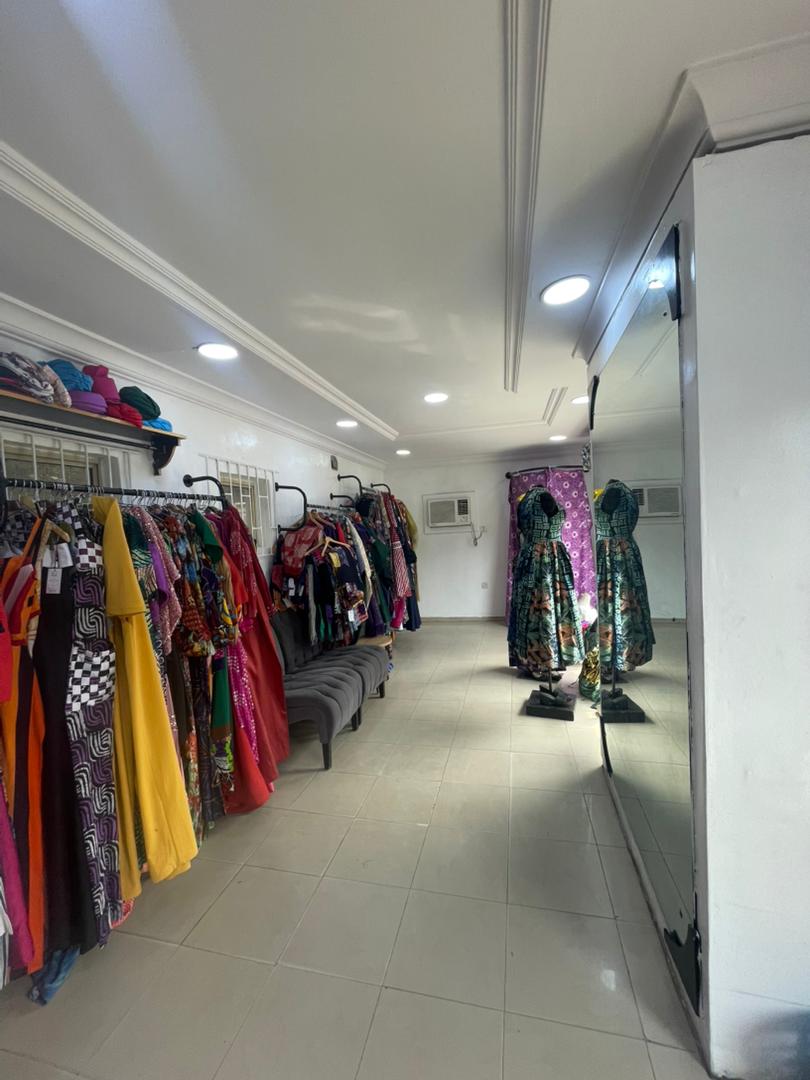
If you are looking for genuine, well-made pieces, where you buy matters as much as what you buy. Lagos has fabric markets, individual tailors, and boutique brands all selling items labelled with this name — but quality and authenticity vary enormously. Our complete guide, where to buy bubu gowns in Lagos, breaks down the different options across markets, tailors, and boutiques, including what to expect from each.
As African Women’s Clothing in Lagos, every piece made from this fabric is checked and finished under one roof, so you know exactly what you are buying before it arrives.
Shop authentic Aso Oke pieces at Ahdookeh Fashion
Below are the pieces currently available across our bubu, two-piece, kimono, and dress collections; grouped by how the fabric is used in each design. Most pieces are available across our full size 12–28 range; two limited-edition styles are noted where sizing is restricted.
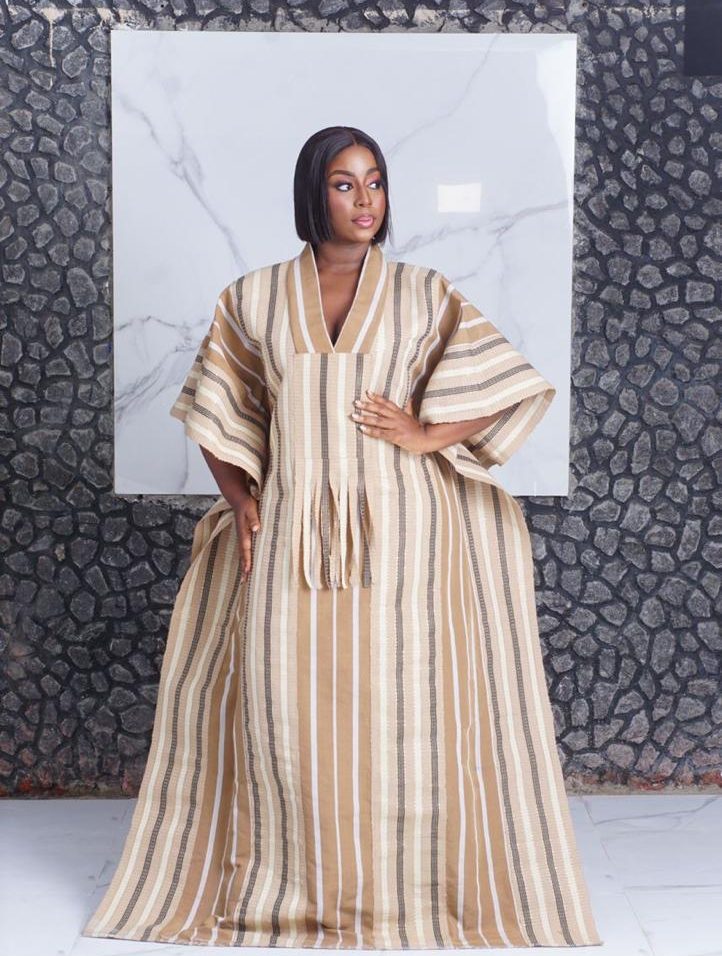
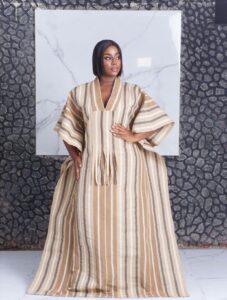
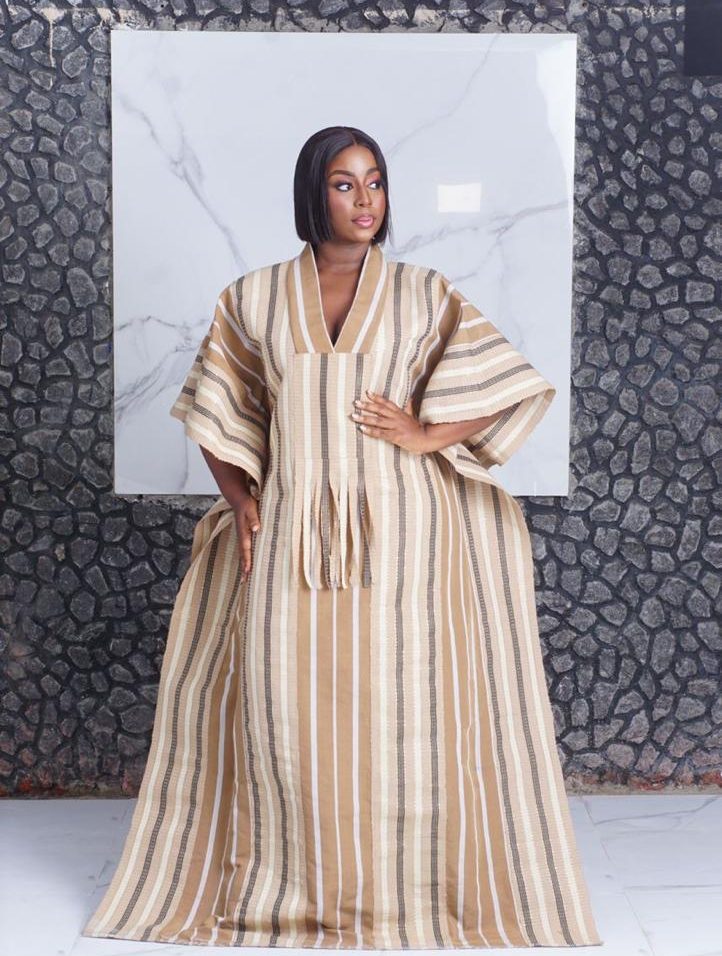
A simple, elegant V-neck boubou crafted entirely from premium cream Aso Oke. Structured yet flowing, with a breathable unlined finish; built for weddings, sacred ceremonies, and formal gatherings.
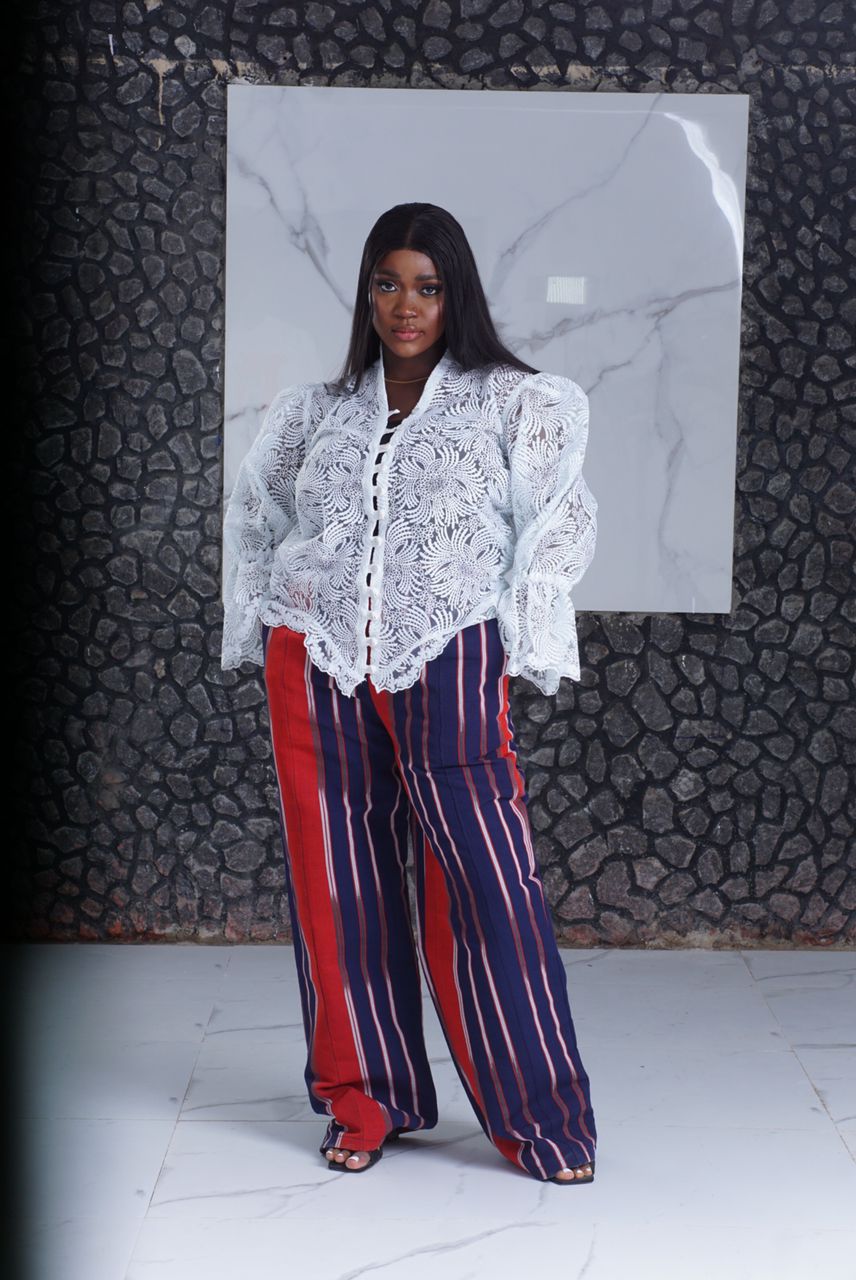
An elegant white lace top with a structured button-down front and elastic sleeve detail, paired with pocketed Aso Oke trousers. Classy, breathable, and effortlessly wearable from weddings to brunch.
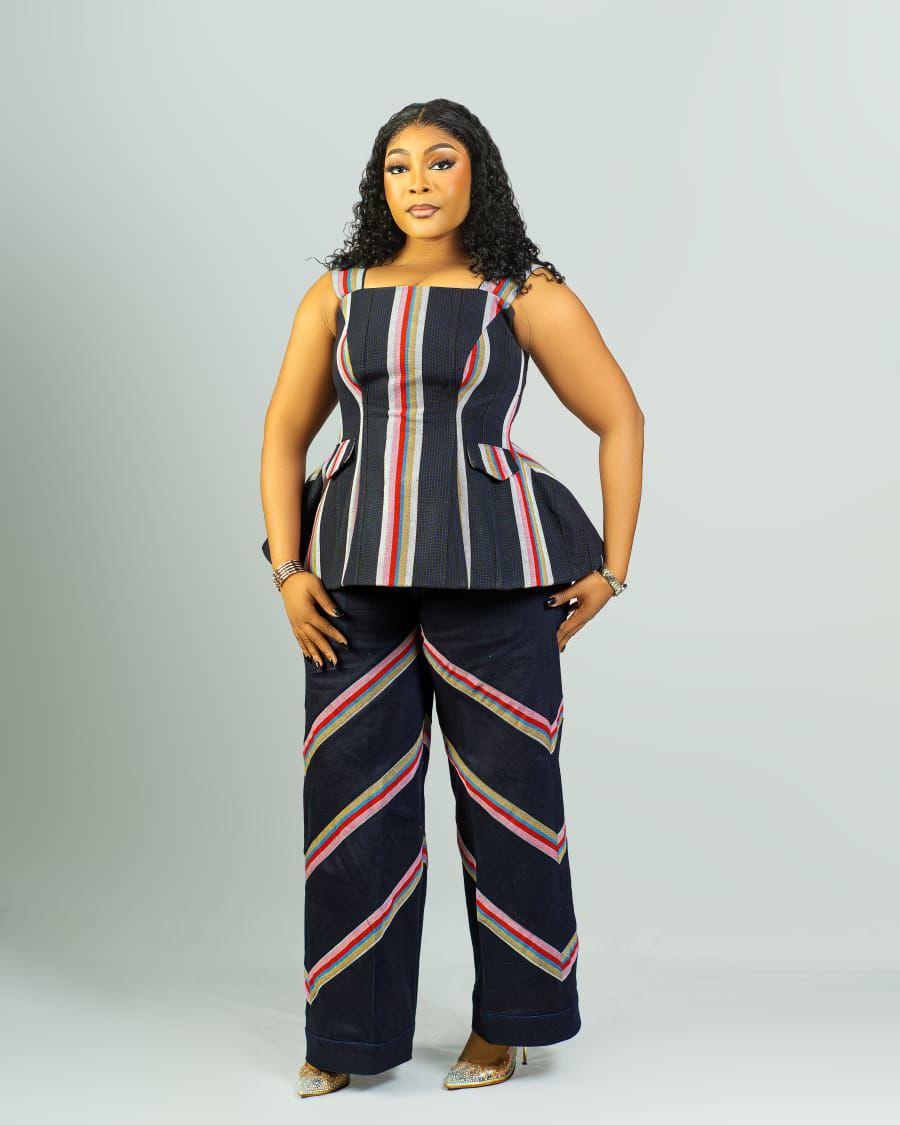
A bold sleeveless peplum top in Aso Oke, paired with tailored jean trousers with pockets. Exclusive, limited-edition African fashion that fuses Yoruba heritage with a modern, structured silhouette.
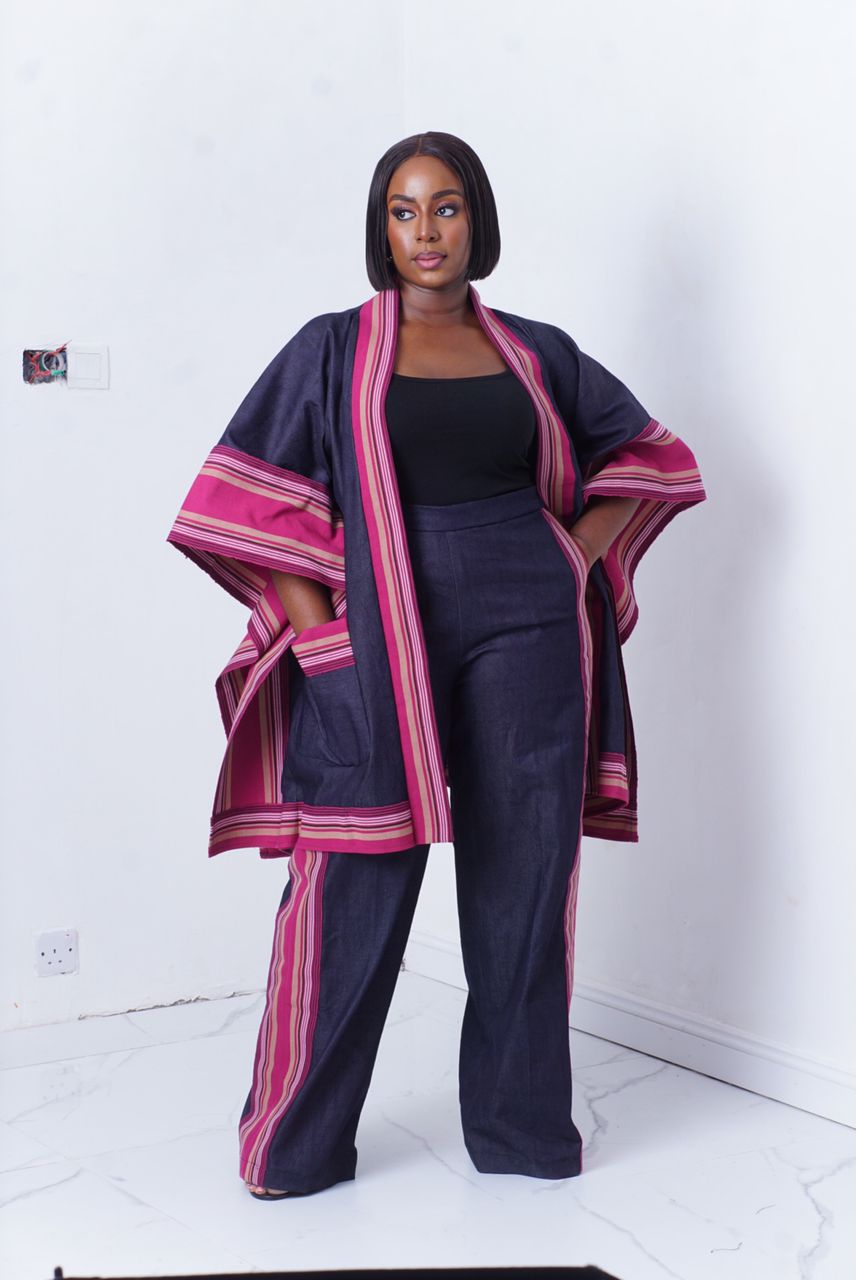
Stretchy denim meets rich Aso Oke in a relaxed kimono top with a side pocket, paired with matching straight-leg trousers with pockets. Bold and functional, worn together or styled apart.
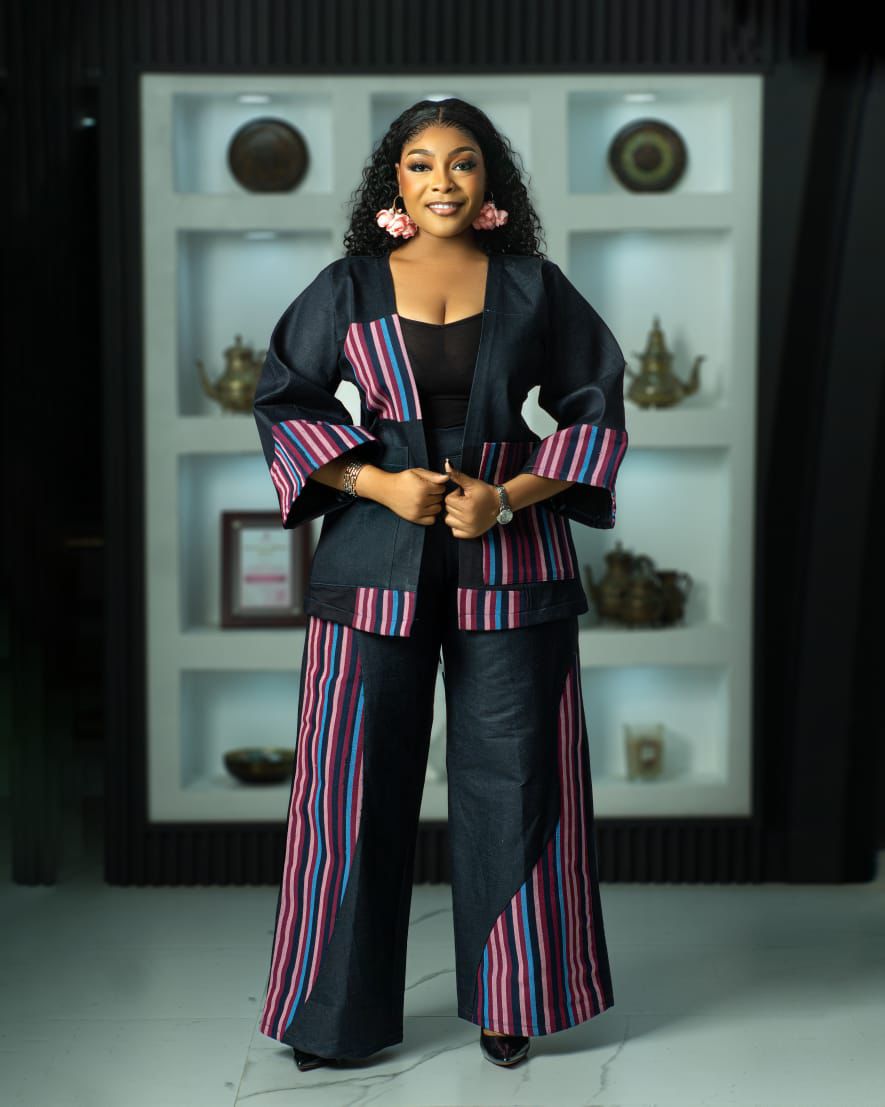
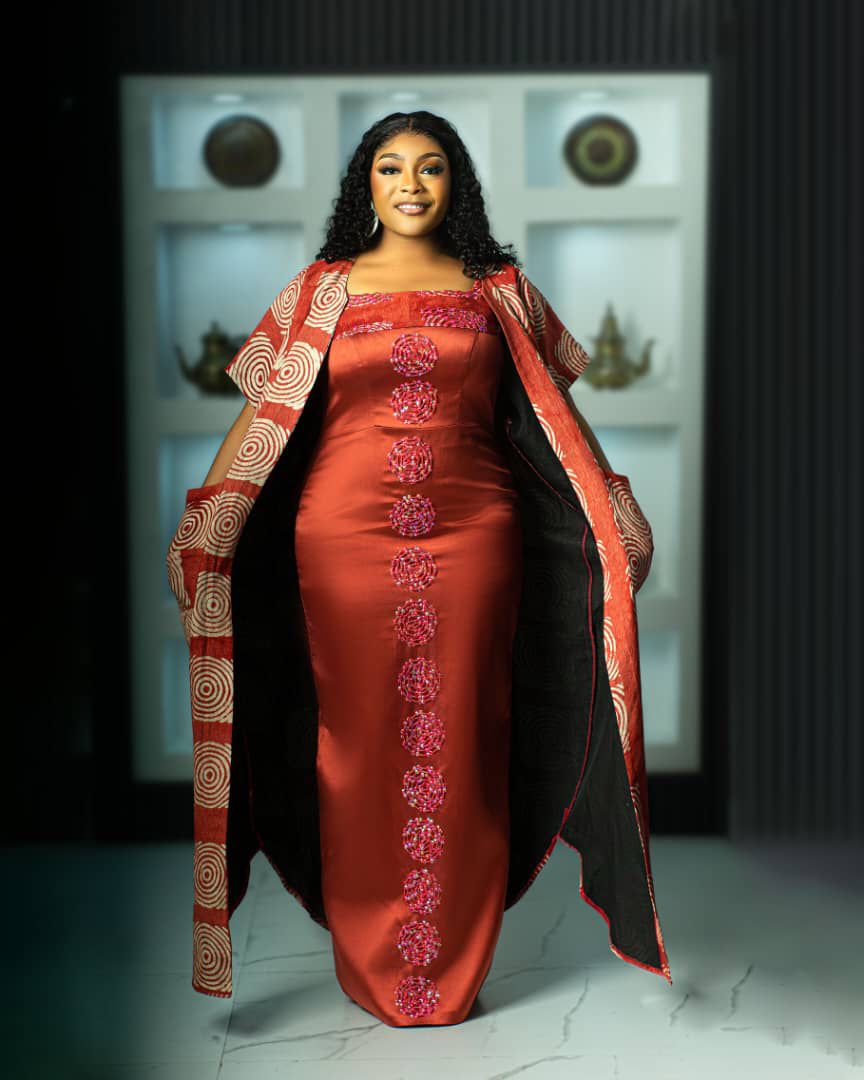
Limited-edition stretchy black denim and premium Aso-Oke, including tailored trousers and a flowing kimono jacket. Regal and comfortable, transitioning easily from boardroom to evening event.
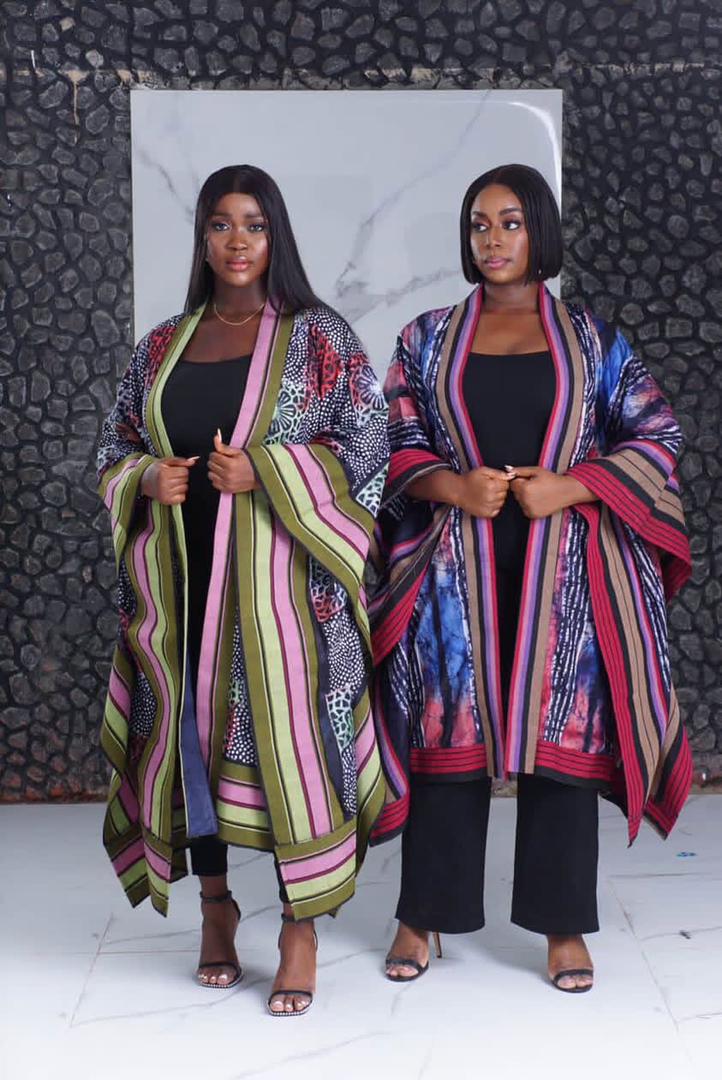
A breathable cotton Adire and Aso Oke kimono with a relaxed, flowing fit. A lightweight layering piece for dinner dates, cultural events, or thrown over a simple dress for instant elevation.
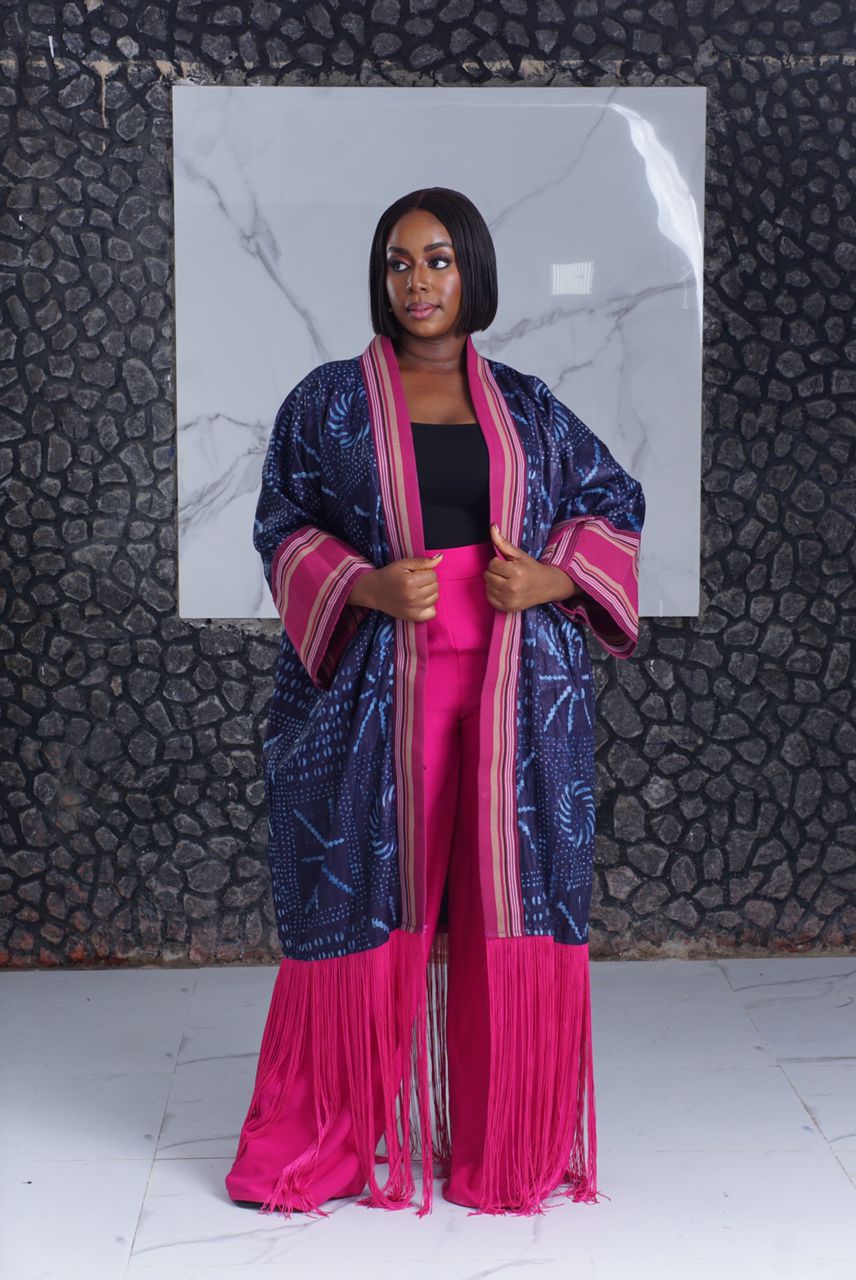
A standout kimono crafted from Adire Alaro and Aso Oke, finished with fringe detailing at the hem, paired with structured thick crepe pants. Wear as a full set or style each piece separately.
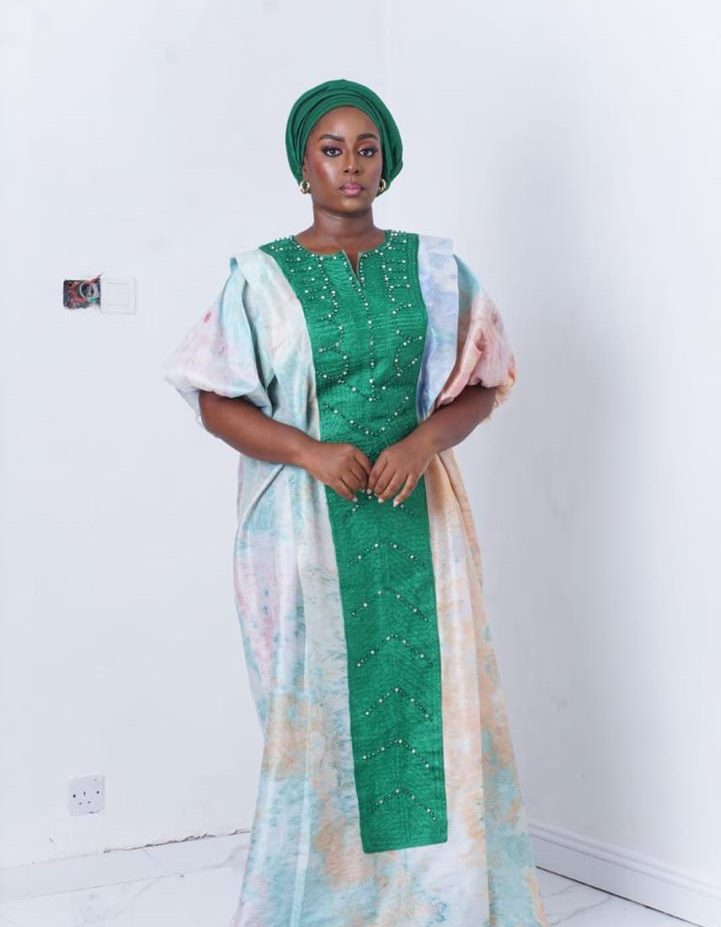
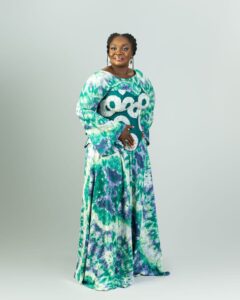
Hand-dyed raw silk bubu finished with a beaded Aso Oke facing, elastic short sleeves, and a matching scarf. A wearable work of art for weddings, owambe, and elegant cultural celebrations.
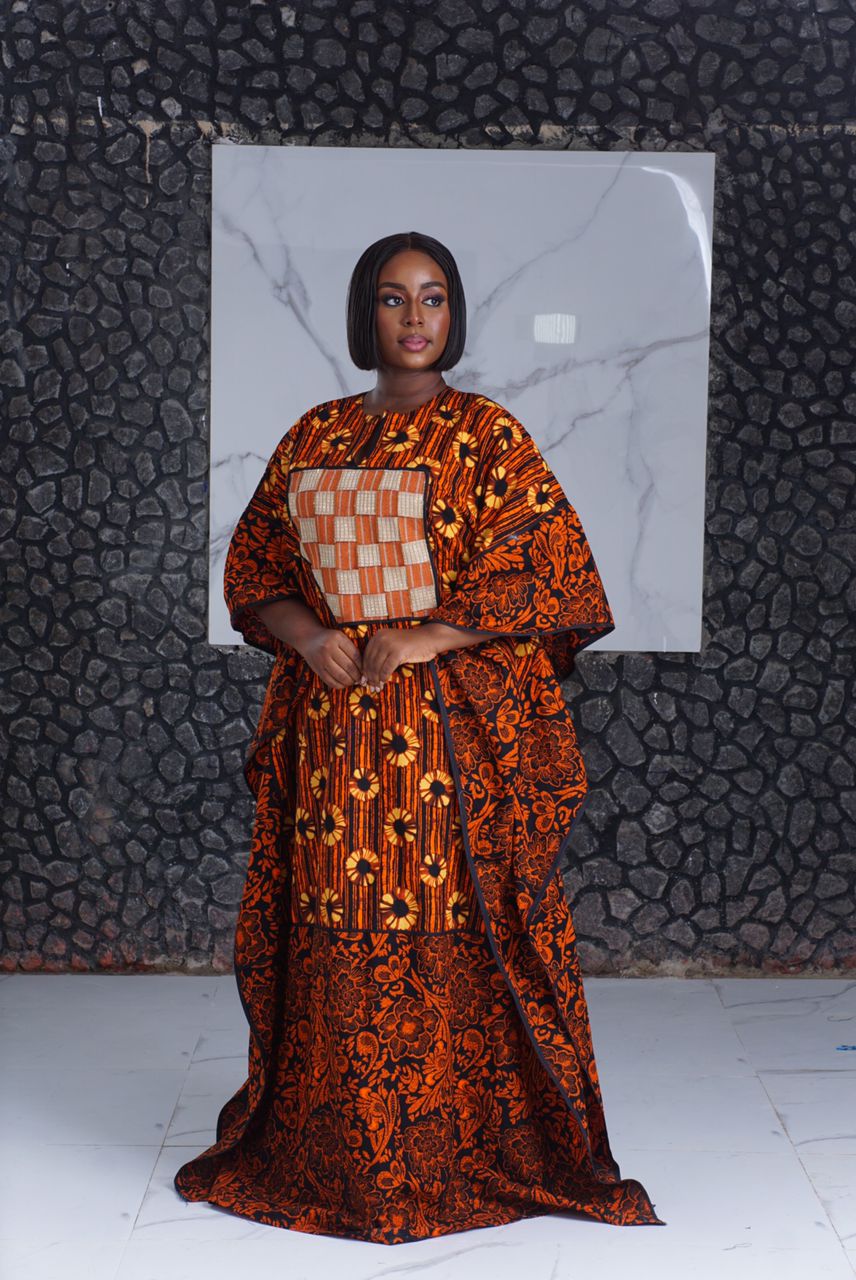
A flowy butterfly bubu in breathable two-tone Ankara, featuring a striking central Aso Oke panel and sleek black sleeve trim. Easy, elegant, and effortlessly bold — the kind of dress you’ll live in.
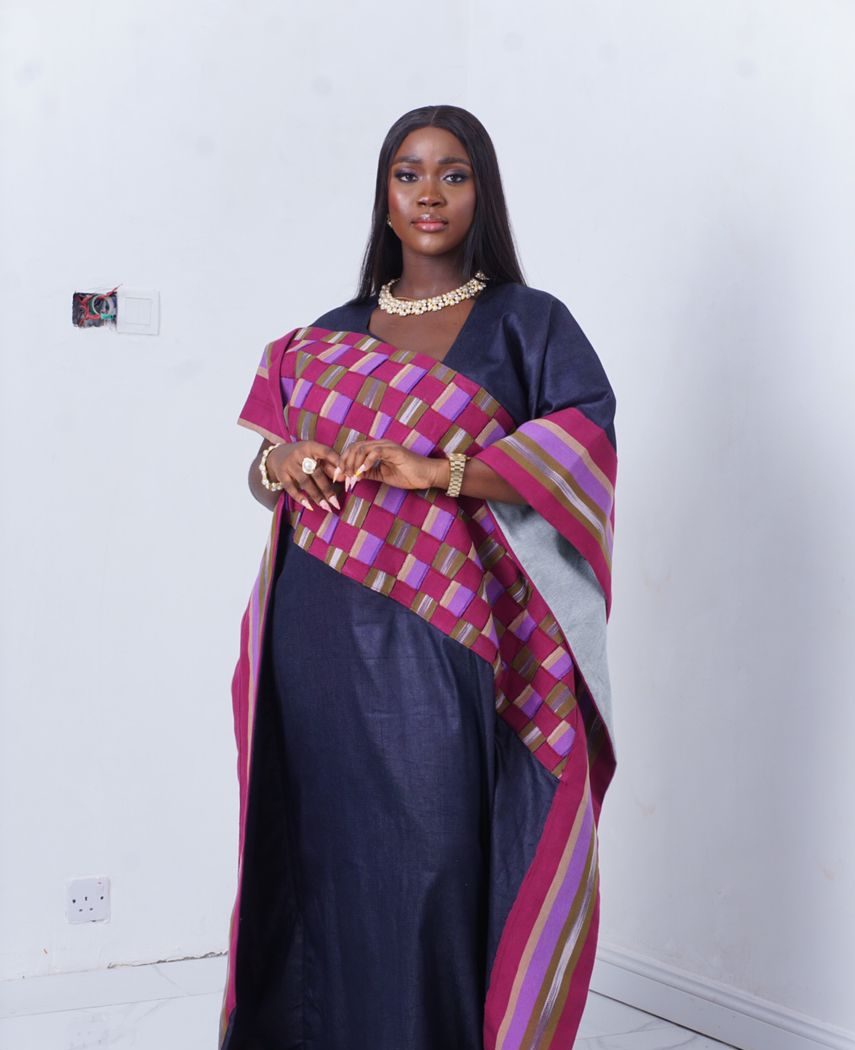
Stretchy denim meets Aso Oke with an agbada-inspired neckline, foldable sleeves, and a slanted panel that sweeps from bust to waist. Tradition meets edge — built for weddings and owambe.
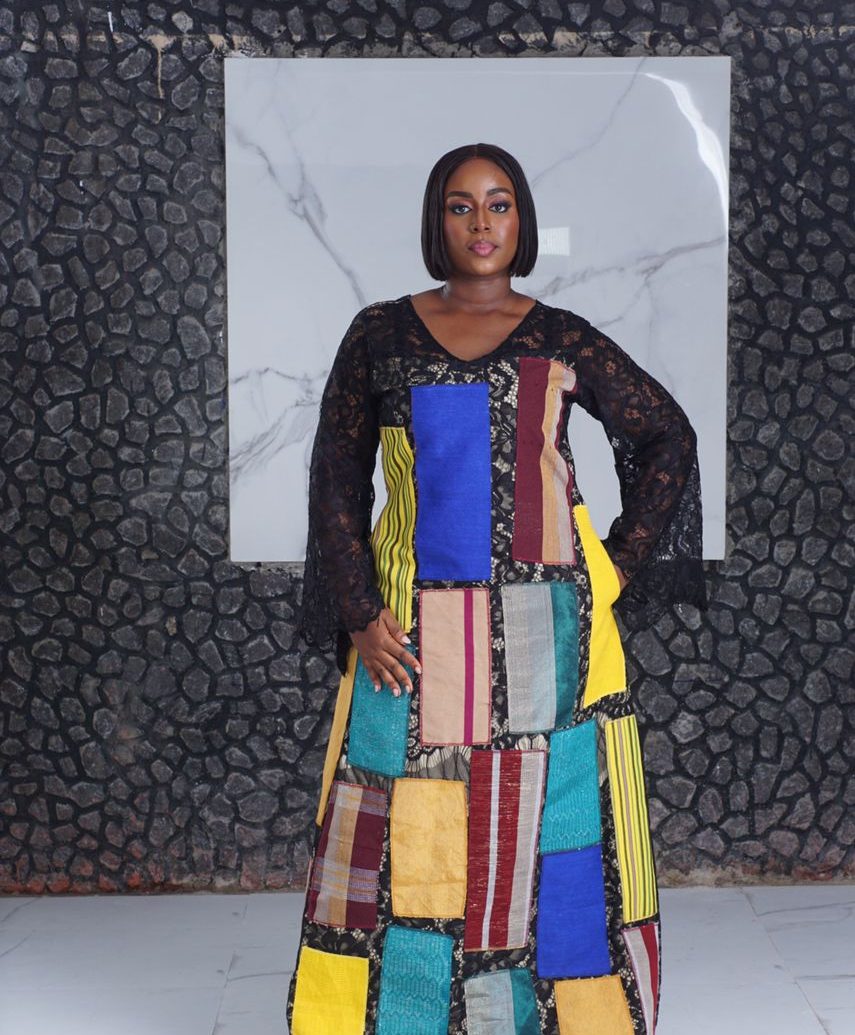
An A-line dress blending Chantilly lace with cotton Aso Oke patches. Fitted at the bust, V-neck, long sleeves, fully lined, with side pockets — culture made stylish for parties and brunch.
Browse the full ranges at buy bubu gowns in Lagos and buy two-piece outfits in Lagos, check sizing at our size chart, or explore the complete shop.
Frequently asked questions about What is Aso Oke?
What is Aso Oke made of?
It is traditionally made from hand-spun cotton or silk threads, woven into narrow strips on a traditional loom and then stitched together into a finished cloth.
What is the difference between Aso Oke and Aso Ebi?
The former refers specifically to the hand-woven Yoruba fabric itself. Aso Ebi refers to a matching fabric chosen by a group of family or friends for an event — and that fabric can be this textile, Ankara, or another material entirely.
Is Aso Oke only worn by the Yoruba?
It originates from and is most closely associated with the Yoruba people of southwestern Nigeria, but it is now worn and appreciated by Nigerian women from many ethnic backgrounds, especially at weddings and cultural celebrations.
Can it be worn casually?
Traditionally, this fabric is reserved for ceremonial occasions rather than everyday wear, though some modern designs blend it with denim or crepe to create more versatile, semi-casual pieces.
How do I care for Aso Oke fabric?
It should generally be dry cleaned rather than machine washed, since water and agitation can loosen the woven strips and dull the fabric’s texture over time.
What is the price range for authentic pieces in Lagos?
Authentic pieces in Lagos typically range from ₦80,000 to ₦200,000 depending on whether the piece is fully made from this fabric or uses it as an accent, and depending on the brand’s construction quality.
Find your Aso Oke piece today
Now that you know exactly what this fabric is, how it’s made, and what separates a genuine piece from an imitation, you’re ready to shop with confidence. Whether you’re dressing for a traditional wedding, an owambe, or simply want a piece of Nigerian heritage in your wardrobe, Ahdookeh Fashion has a piece made for you.
Visit us at 34 Bode Thomas Street, Surulere, Lagos, or shop the full collection online with delivery across Lagos and Nigeria. Have a question about sizing, bespoke orders, or a specific piece? Contact Afrocentric Women’s Fashion in Lagos — we’d love to help you find your perfect fit.
Follow us for daily style inspiration and new arrivals:
At Ahdookeh, when we shine, we shine together.